
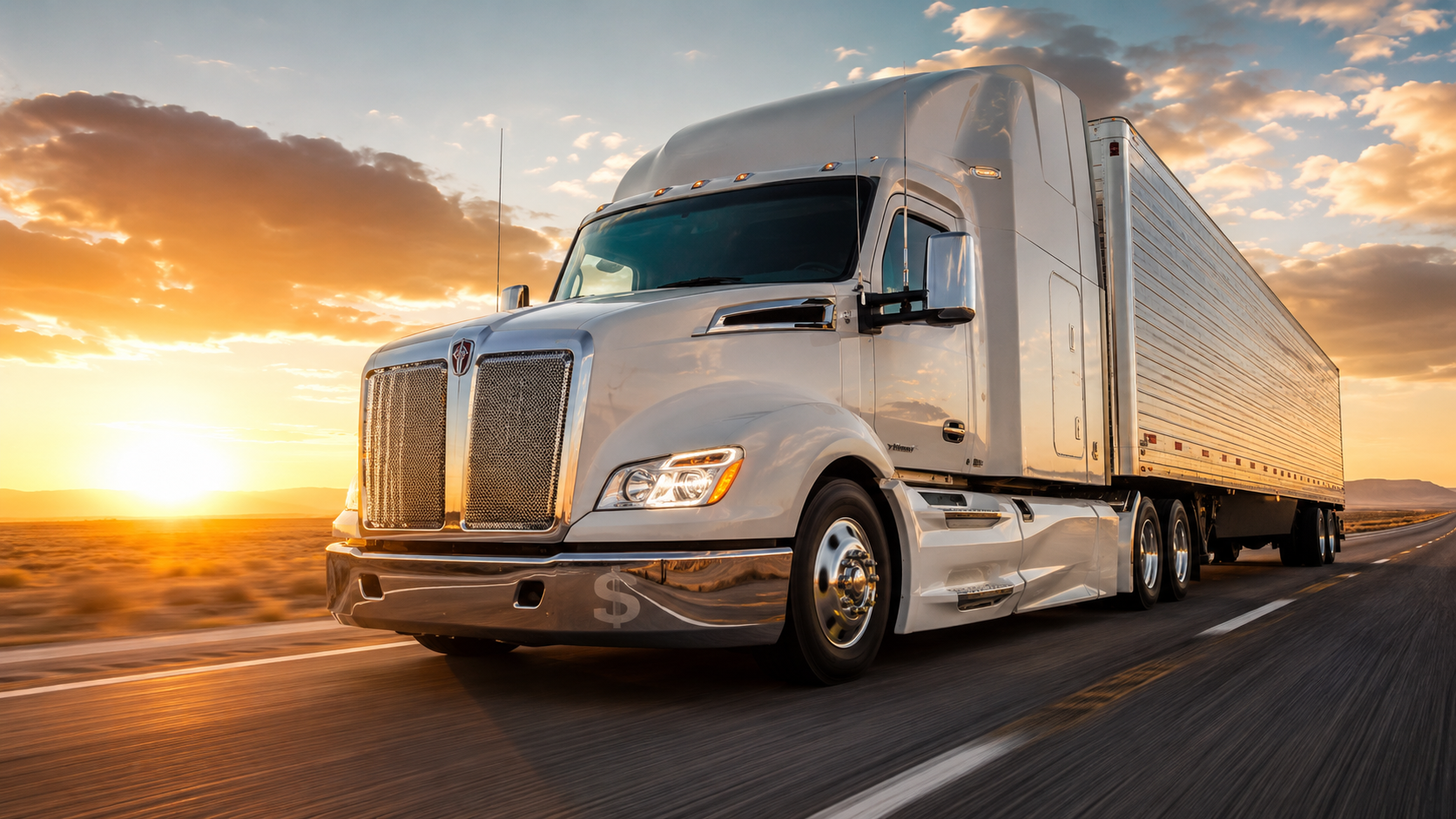
Fleet operators face unprecedented challenges: fluctuating fuel prices, driver shortages, and increasing customer demands. Yet amid these challenges lie opportunities for significant financial growth. Even modest operational improvements can yield substantial financial returns in the trucking industry.
Way 1: Implement Fuel Efficiency Programs
Fuel expenses typically represent 30–40% of a freight trucking operation's total costs.
Driver Training for Fuel Conservation
Training programs focused on:
- Progressive shifting — shifting at lower RPMs to maximize fuel economy
- Speed management — maintaining optimal speeds (55–60 mph is typically most efficient)
- Idle reduction — minimizing unnecessary idling (can consume 0.5–1 gallon per hour)
- Proper acceleration and braking — gradual acceleration and anticipatory braking
Companies implementing driver training report fuel savings of 5–15%.
Vehicle Maintenance and Technology
Regular preventative maintenance directly impacts fuel consumption:
- Proper tire inflation (underinflated tires can reduce fuel economy by up to 3%)
- Regular engine tune-ups and air filter replacements
- Aerodynamic enhancements (side skirts, roof fairings, gap reducers)
- Advanced telematics systems that monitor fuel consumption patterns
Hybrid-assist systems or alternative fuel vehicles can reduce fuel costs by 20–30% over the vehicle's lifetime.
Way 2: Optimize Route Planning and Load Management
Advanced Route Planning Software
Modern routing software uses AI and machine learning to optimize based on:
- Real-time traffic conditions
- Weather forecasts
- Delivery time windows
- Driver hours-of-service limitations
- Fuel stops and rest areas
Companies implementing advanced route optimization report 5–10% operating cost reductions and up to 15% increased fleet utilization. (McKinsey)
Load Optimization and Backhaul Management
Strategies to minimize empty/deadhead miles:
- Load boards and freight matching platforms to find backhaul opportunities
- Collaboration with complementary businesses that ship along regular routes
- Strategic partnerships with other carriers for load sharing
- Dynamic pricing models to attract shipments on traditionally empty return routes
Reducing empty miles by just 10% can increase annual profit margins by 2–3% for a medium-sized fleet.
Way 3: Leverage Technology for Operational Efficiency
Telematics and Fleet Management Systems
Modern telematics provide real-time insights:
- Vehicle diagnostics identifying maintenance needs before breakdowns
- Driver behavior monitoring to improve safety and reduce insurance costs
- Automated compliance management for hours of service and electronic logging
- Fuel consumption analytics
Fleets using comprehensive telematics report 5–20% maintenance cost reductions and up to 15% insurance premium decreases.
Warehouse and Inventory Management Integration
- Integrated warehouse management systems optimize loading/unloading
- Automated inventory tracking reduces detention time
- Dock scheduling systems minimize wait times
- Cross-docking operations reduce storage costs and transit times
Companies implementing integrated warehouse-transportation systems report 25–40% reductions in loading/unloading time.
Way 4: Implement Strategic Driver Recruitment and Retention Programs
Driver turnover costs average $8,000–$10,000 per driver.
Creating Compelling Compensation Packages
- Performance-based pay models rewarding efficiency, safety, and customer service
- Transparent bonus structures tied to measurable metrics
- Benefits packages designed specifically for drivers' unique needs
- Retirement and health savings options for long-term security
Building a Driver-Centric Culture
- Creating predictable home time schedules
- Investing in quality equipment and modern technology
- Developing clear career advancement pathways
- Recognizing and rewarding veteran drivers
- Soliciting and acting on driver feedback
Companies focused on driver satisfaction report turnover rates 20–30% below industry averages.
Way 5: Diversify Revenue Streams and Service Offerings
Specialized Services with Premium Margins
High-margin specialized transportation options:
- Temperature-controlled transportation for pharmaceuticals or food products
- Hazardous materials handling with proper certifications
- White-glove services for high-value or fragile items
- Expedited shipping with guaranteed delivery windows
Specialized services typically command 15–30% higher rates than general freight.
Value-Added Services Beyond Transportation
- Warehousing and distribution services
- Cross-docking operations
- Last-mile delivery options
- Packaging and kitting services
- Freight consolidation and deconsolidation
- Supply chain consulting
Way 6: Optimize Financial Management and Cash Flow
Accelerating Payment Cycles
- Invoice factoring to receive immediate payment for completed deliveries
- Digital billing platforms that streamline invoicing and payment processes
- Early payment discount programs incentivizing prompt customer payments
- Customer credit pre-screening to reduce bad debt exposure
Strategic Cost Management
- Insurance premium optimization through safety programs and careful carrier selection
- Fleet acquisition strategies balancing ownership, leasing, and financing
- Tax planning specific to trucking operations
- Fuel purchasing programs with volume discounts
- Maintenance contract negotiations for predictable service costs
Comprehensive financial analysis often reveals that 5–8% of operating costs can be eliminated through strategic management. Companies with robust financial management maintain profit margins 2–3 percentage points higher than competitors. (U.S. Department of Transportation)
Conclusion
By implementing these six strategies — fuel efficiency, route optimization, technology adoption, driver retention, service diversification, and financial management — freight trucking companies can create a resilient business model capable of thriving even in challenging market conditions. These strategies work synergistically: technology investments improve both driver satisfaction and operational efficiency, while specialized service offerings can reduce empty miles while increasing revenue per mile.